
"coffee tree classification"
2000 article(s) found

The origin of coffee beans the classification of coffee beans the main producing countries of coffee
The word coffee [1] comes from the Greek word Kaweh, meaning strength and enthusiasm. Coffee tree is an evergreen shrub of Capsaceae. Daily coffee is made from coffee beans combined with a variety of cooking utensils, and coffee beans refer to the nuts in the fruit of coffee trees, which are then roasted with appropriate roasting methods. Legends about the origin of coffee vary, but mostly because of its famine

Geographical classification of Jamaican Blue Mountain Coffee
Blue Mountain Coffee is the most superior coffee in the world, and the weather, geological structure and topography of Jamaica provide an ideal place. The ridge that runs through Jamaica extends to the eastern part of the island, with the Blue Mountains rising to more than 2100 meters. Cool weather, foggy, frequent precipitation, use this rich soil Rain Water to reconcile. Here, the mixed planting method is used to plant coffee trees to make them mix with incense in terraces.

A brief introduction to the classification of Arabica beans Blue Mountain Coffee belongs to Arabica's powerful genetic myth.
Professional coffee knowledge exchange more coffee bean information please follow the coffee workshop (Wechat official account cafe_style) front street-Arabica coffee bean variety introduction Arabica species account for 70% of all coffee production, is the most important commercial coffee bean. Arabica species were introduced into Europe from the Arab region and can be divided into Tibika species and Bourbon subspecies according to their different places of introduction.

Classification characteristics of Colombian Coffee Flavor description Grinding scale
Colombian Coffee grading characteristics treatment Flavor description Grinding scale suitable climate in Colombia provides a real natural pasture for coffee. Coffee trees in Colombia are mainly cultivated in the Andes, on steep slopes about 1300 meters above sea level, where the annual temperature is about 18 degrees Celsius, annual rainfall is 2000 to 3000 mm, latitude 1-11-15, west.
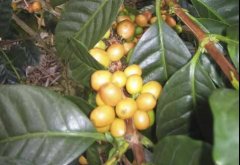
Classification of coffee varieties of coffee beans Pacamara (Pacamara)
Pacamara coffee is a hybrid of Pacas Pacas (a sudden variant of the bourbon species) and giant bean Maragogype (a sudden variant of the Tibica species found in Brazil) found in El Salvador in the 1950s. The coffee tree is very tall, the branch spacing of the trunk is wider than that of Pacas Pacas, and the edge of dark green leaves is wavy. It is suitable for cultivation at the elevation of 900m to 1500m.

Classification and Cultural Collection of Coffee
Coffee classification editor coffee trees can be roughly divided into five types, of which Arabica and Robusta are the more common. Arabica species, which account for more than 70% of the world's total output, are generally grown on slopes above 900 meters above sea level and are mostly found in tropical high-altitude areas such as Central and South America, East Africa, Southeast Asia and Hawaii. Its pleasant aroma and rich nourishment

Special Coffee Classification system-China Special Coffee Association
Introduction to the flavor and taste of coffee bourbon species: characteristics: medium-high appearance, low fruit yield, green top leaves, excellent acidity and poor virulence. El Salvador bourbon: Kaddura Kaddura, a green-topped dwarf discovered in Brazil in 1935, has obvious waxy leaves, short internodes, clusters of fruit and 200kg higher yield than bourbon. In one fell swoop to replace Tibica and

Coffee tree (Coffee Plant)
Coffee. When it comes to coffee, the first thing that comes to mind is drinks. Beverage coffee is made from coffee beans. Where do coffee beans come from: coffee trees (flowering, fruiting) Coffee fruits, or coffee berries or coffee cherries (peeled and a series of processing) Coffee is a plant, the biological classification of ta is as follows: (Kingdom) Angiosperms quilts of the Plantae plant kingdom

Classification, price, raw beans and baking curve of single bean of Bankimaji coffee
The exchange of professional baristas please pay attention to the coffee workshop (Wechat official account cafe_style) Banqi Maggie coffee single bean classification, price, raw beans and baking curve this batch is the sun class its Maggie Bebeca estate geisha is a plantation coffee, is a very rare single manor. G3 is the highest grade of the old sun, Bankimaji (Bench Maji)

How about SHB coffee beans? coffee bean grade classification coffee bean grade shb
More information on coffee beans Please follow Coffee Workshop (Wechat official account cafe_style) Coffee, which is the most important export of Guatemala because of its high quality, rich natural acid and balanced mellowness, it is even rated as the best coffee in Central America by coffee lovers, which makes other coffee producing areas in Central America pale in comparison. Guatemalan coffee has always been the beginning of coffee.

World Classification of Fine Coffee beans: introduction to Arabica Coffee species
There are about 60 kinds of coffee, but there are mainly two varieties of coffee grown commercially. "Arabica" 2. "Robasta" if divided according to the planting area of these two kinds of coffee, Arabica accounts for 70% of the world's acreage, and Robasta accounts for 30%. This shows how important Arabica coffee beans are in the world! So

The name and classification of coffee introduce the delicious taste of latte mocha Hawaii Kona.
Naming: coffee beans are named after places of origin (country or region): such as Blue Mountain Coffee, Brazilian Coffee, Colombian Coffee, Kenya, Hawaii Kona, Yega Sheffield, Hara, Gemma, etc. The single black coffee is named after the coffee beans used to make this coffee. Classification: 1. classification by origin: such as Blue Mountain Coffee in Jamaica, Kona Coffee in Hawaii, Mo in Yemen.

Difference between Ugandan robusta coffee beans and Arabica beans _ classification of Ugandan coffee beans
Professional coffee knowledge exchange more coffee bean information please pay attention to the coffee workshop (Wechat official account cafe_style) "Arabica" vs. "Robsta" Arabica v.s Arabica beans are longer and oval in the middle of the split line narrow and tortuous. Romstadou is more circular in the middle of the split line crack into a straight line. Robustas Romsta coffee c

Harvest time of coffee fruit explain the month of harvest time and picking of coffee fruit according to equator classification
The vast majority of coffee fruits are picked manually. In order to ensure the quality of coffee, pickers need to identify which fruits are suitable for harvest and pick them one by one from the tree, which takes a lot of energy and time. In this era when the tide of science and technology is sweeping in, such humane manual work is very precious. Due to different planting areas, the receiving time also changes.

Taste Classification of Honduran Highland Coffee
Honduran coffee has a rich and mellow taste, taste is not astringent, not sour, mellow and aroma are very high, quite personality. Honduran coffee can lead to multiple levels of flavor depending on the degree of roasting. Moderate baking can maximize the sweetness of beans, while deep baking increases bitterness, but sweetness does not disappear. Generally speaking, medium baking tastes best

The importance of coffee classification and grading How is Ethiopian coffee grading divided
Ethiopia is the first country to discover coffee. It is the most important producing country in terms of coffee quality and yield. The annual production quantity is about 350,000 tons. Ethiopia is famous all over the world for its mocha beans blown by the sea. Yirgacheff is the Arabica produced by Sidamo in the south at an altitude of 1700~2100 meters.

Fresh coffee raw beans introduce varieties of coffee beans classification of coffee beans what are fresh coffee beans
From the fruit state of coffee beans when they are picked from the tree to the state of raw beans that can be baked, the moisture content of coffee beans will be controlled between 9% and 13%, and it is not easy to bake if the water content is too high or too low. Generally, we get newly collected raw beans with water washing treatment, the moisture content is usually about 11.5% to 12.5%, half-washed Mantenin may reach 13%, and half-washed Brazil is 11% ~ 12% per day.

Classification of raw coffee beans-Starbucks coffee bean grinding grade
Coffee raw bean grade distinction-Starbucks coffee bean grinding grade causes: 1) Agriculture: blackening is the result of excessive microbial fermentation to produce pigment. Preventive measures: 1) agriculture. Black beans can be prevented during picking, picking ripe fruits only from trees, and avoiding excessive fermentation during farm processing. 2) deal with. When the endocarp of the coffee bean is removed, the black bean is very obvious.

Classification and taste of Burundian coffee beans
The classification and taste of Burundian coffee beans there are striking similarities between Burundian coffee and neighboring Rwanda, and the coffee produced in these two countries is often confused. Burundian coffee is mainly grown in bourbon, with traditional wet processing of coffee cherries. Its boutique coffee is characterized by elegant sweetness and bright citrus aromas. This batch belongs to the bourbon species micro batch.

Panama Esmeralda Estate Coffee Bean Single Bean Planting Variety Classification Planting Environment Information
Professional barista exchanges, please pay attention to coffee workshop (Weixin Official Accounts cafe_style ) BOQUETE Bo specialty area is the most famous Panamanian production area. Its mountainous terrain creates many microclimates. Cooler weather and frequent fogs help slow coffee cherry ripening, and some believe this is akin to high-altitude climates. Altitude: 400- 1,900 m Harvest: December March Variety